
Porto Wines

Portos

Overview

Authentic Porto comes only from Portugal’s Douro Valley — the first demarcated and regulated wine appellation in the world, defined by a strict physical boundary and a certification authority, the Instituto dos Vinhos do Douro e do Porto (IVDP). It is blended from among more than 90 local Douro grape varieties, never a single variety alone — and it is not to be confused with Porto-style fortified wines made elsewhere, for example in the United States or Australia.
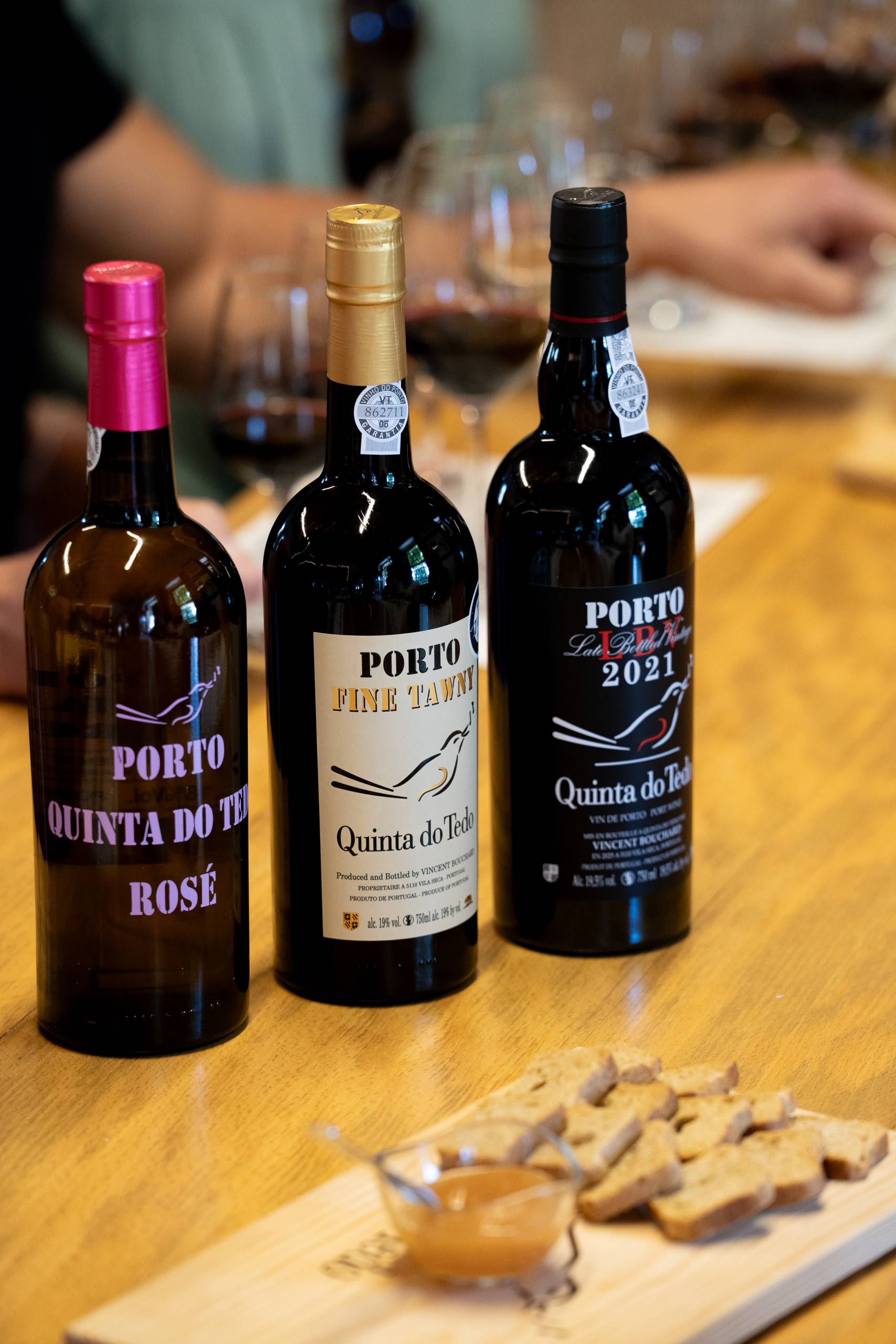
Our Portos
Our Portos

Porto Production

From grape to bottle, all in one place

Unlike most Porto houses, everything we do happens here in the Douro: growing, vinifying, ageing, bottling and selling. That means 100% control over quality, handled 100% by our own on-site viticulture, winemaking and wine tourism teams — and it means visitors can follow every step of Porto production, from grape to bottle, in one small, beautiful, family-owned Quinta.
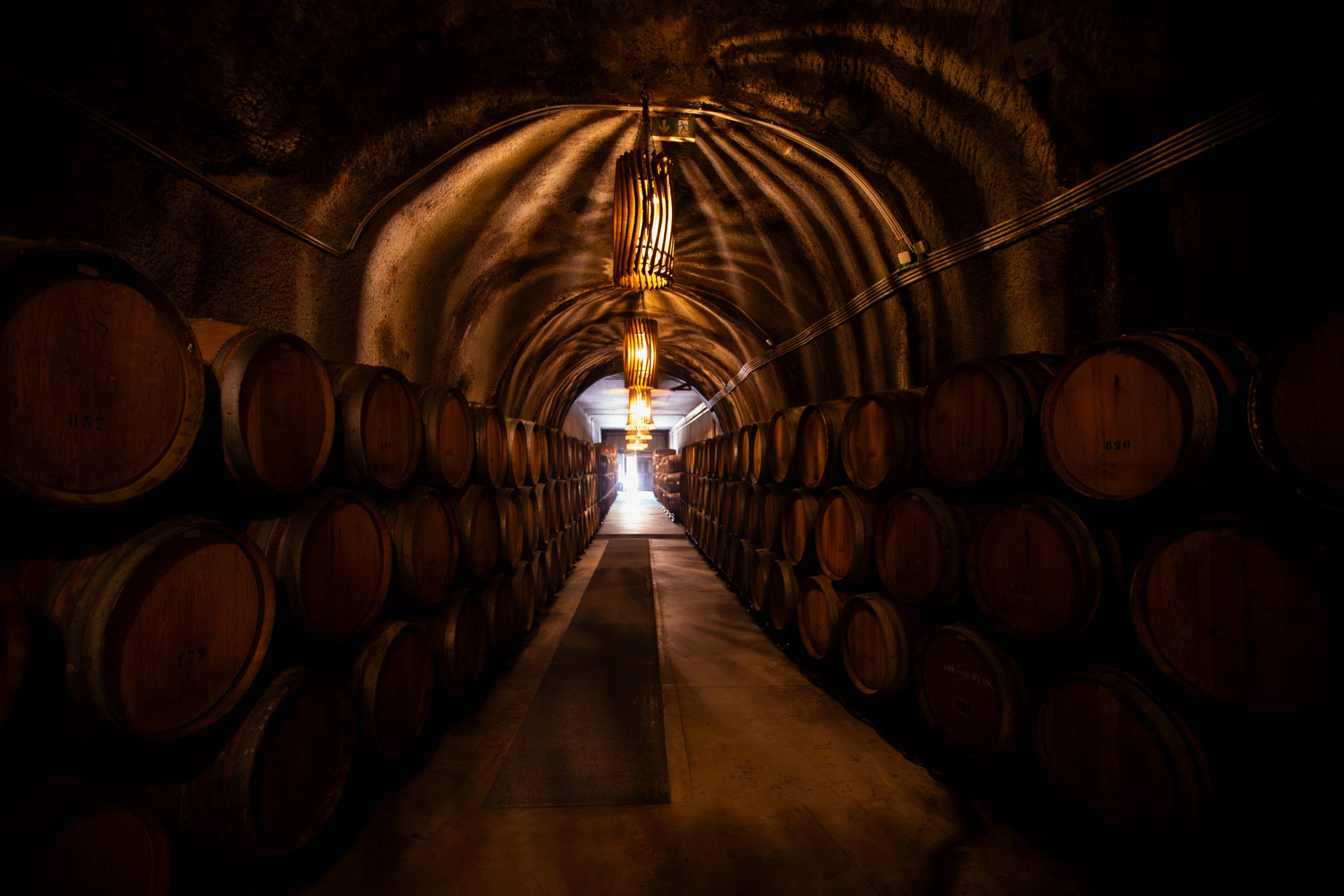
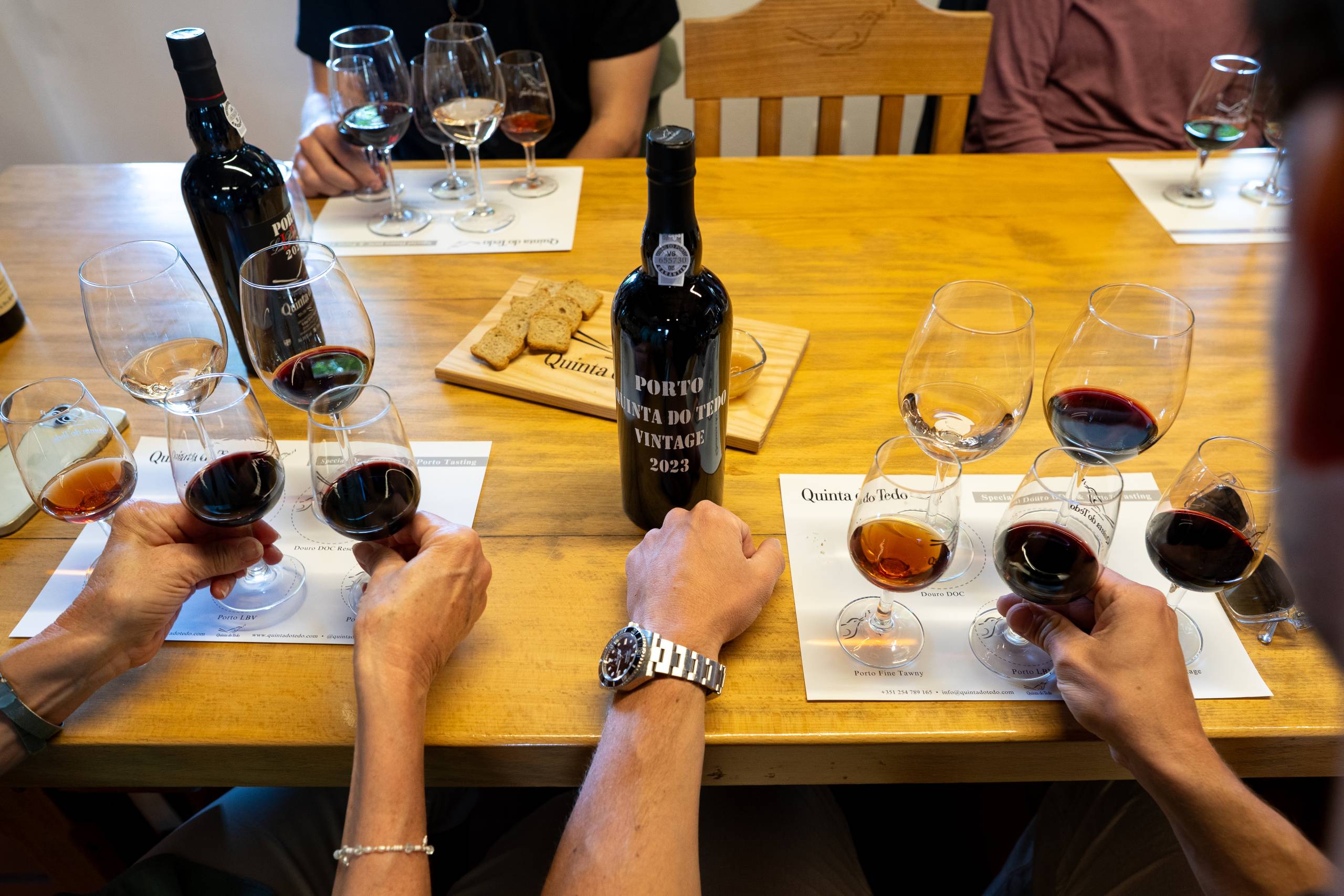
The Underground Barrel Gallery

The Process

How our Porto is born

01

Harvest

With every vineyard surrounding the Quinta, we follow maturation closely — tasting and analysing the grapes, and moving quickly when they are ripe. Each parcel is picked by hand and transported to our vinification centre in small 20 kg cases, where the fruit is hand-sorted, de-stemmed and moved into our small, epoxy-lined granite lagares — the Douro’s traditional treading tanks.

02

Lagares

Over the years we have gently modified Quinta do Tedo’s 18th-century foundations to vinify treasured vineyards separately — or several small ones together — according to ripeness. We split the original two large granite lagares into four smaller ones, under which we laid cold-water pipes, allowing pre-fermentation maceration and slower fermentation to draw a wider range of flavours, aromas, colours and tannins from the grapes.

We are lucky to still have a team — and willing family, friends and visitors — to tread the grapes by foot in our lagares, two to three hours a day for three to four days, with music, a festive mood and, of course, a glass of Porto in hand. We firmly believe this is essential to the quality of our Portos: the supple, slightly warm human foot extracts more, and more delicately — above all the age-worthy tannins around the seeds, which if crushed would release harsh, green tannins.

03

Fortification

Midway through fermentation — with careful analysis, tasting and an eye on each lagar’s destiny (Vintage, LBV, Tawny or Ruby, depending on the year, the vineyard and the fruit) — we open a wide, filter-lined hole in the corner of each lagar to release the partially fermented juice by gravity into epoxy-lined concrete vats below, where it settles naturally over winter before moving in spring to large neutral oak foudres or small horizontal puncheons and barrels, according to each style. Any remaining juice is pressed from the skins and seeds, and the press remains go to the nearby distillery to make aguardente.

Porto is a fortified wine: fermentation is stopped partway by adding that neutral grape spirit, aguardente. The natural sweetness this preserves balances the reinforced alcohol, which in turn protects the wine as it ages — and that is what makes Porto, Porto.

Each year we produce 35–40,000 bottles of Porto at Quinta do Tedo, across 11 styles. The differences between them — blended Rubies and Tawnies; single-harvest Rosés, LBVs, Vintages and Colheitas — come down to how each is aged (in what vessel, and for how long) and whether it is blended at all.

+90
local Douro grape varieties
4
18th-century granite lagares
20 kg
per case, hand-harvested
35–40,000
bottles of Porto per year
11
Porto styles

Ageing & Porto Styles

Eleven styles, one house

Blended Portos make up the majority of all Porto and define each Quinta’s “house style” — much like a Champagne house’s cuvée. Blending to preserve a house style is an art: it takes a winemaker with an exceptional nose and palate, and years of experience, to build a consistent identity that earns drinkers’ loyalty.

Single-harvest Portos are of such quality and balance that no blending is needed. Here the winemaker’s role is to guide and preserve one year’s expression — from vineyard, through vinification and ageing, to bottle.

Ruby

Ruby

Blended

Ruby Portos are blends of 3–4 high-quality harvests, aged 3 to 5 years in large neutral French oak foudres (5,000–7,000 litres) to preserve their youth, fresh fruit and deep purple-ruby colour. Ruby is younger and more supple; Reserve (Finest Reserve) Ruby is more mature and complex.

Discover →
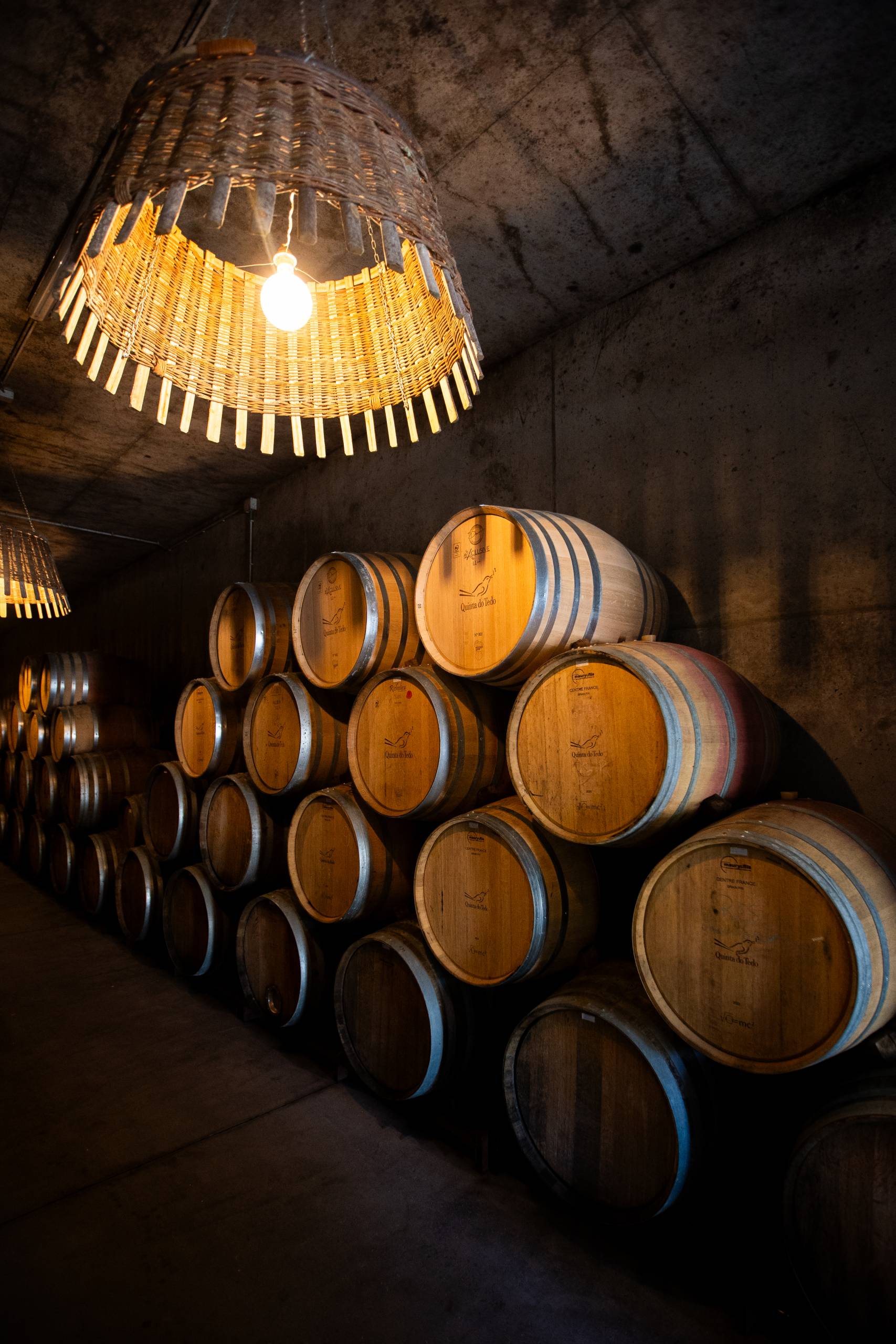
Tawny

Tawny

Blended

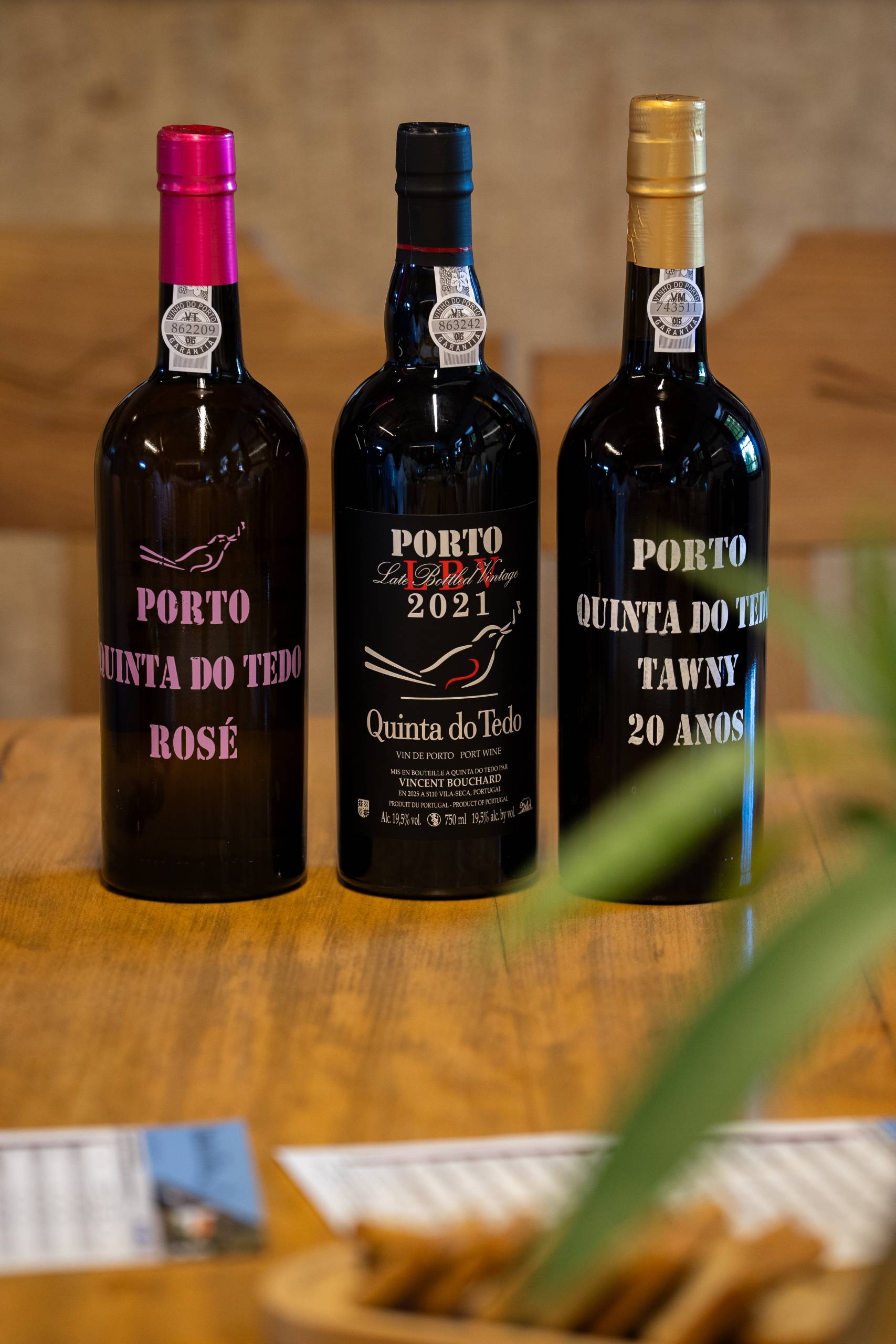
Tawny Portos are blends of several harvests, aged a minimum of three years in small 500–600-litre horizontal neutral oak puncheons to reveal their oxidative profile, dried fruit and spice, and aged amber colour. Tawny and Reserve (Fine) Tawny are fruitier and more voluptuous; the 10, 20 and 30 Year Tawnies grow ever nuttier and more velvety. At Quinta do Tedo we skip the basic style altogether: our range opens with Fine Tawny, a Tawny Reserve aged 7–8 years — and, raised in the company of oxygen, an open bottle keeps for 1.5–2 months.

Discover →
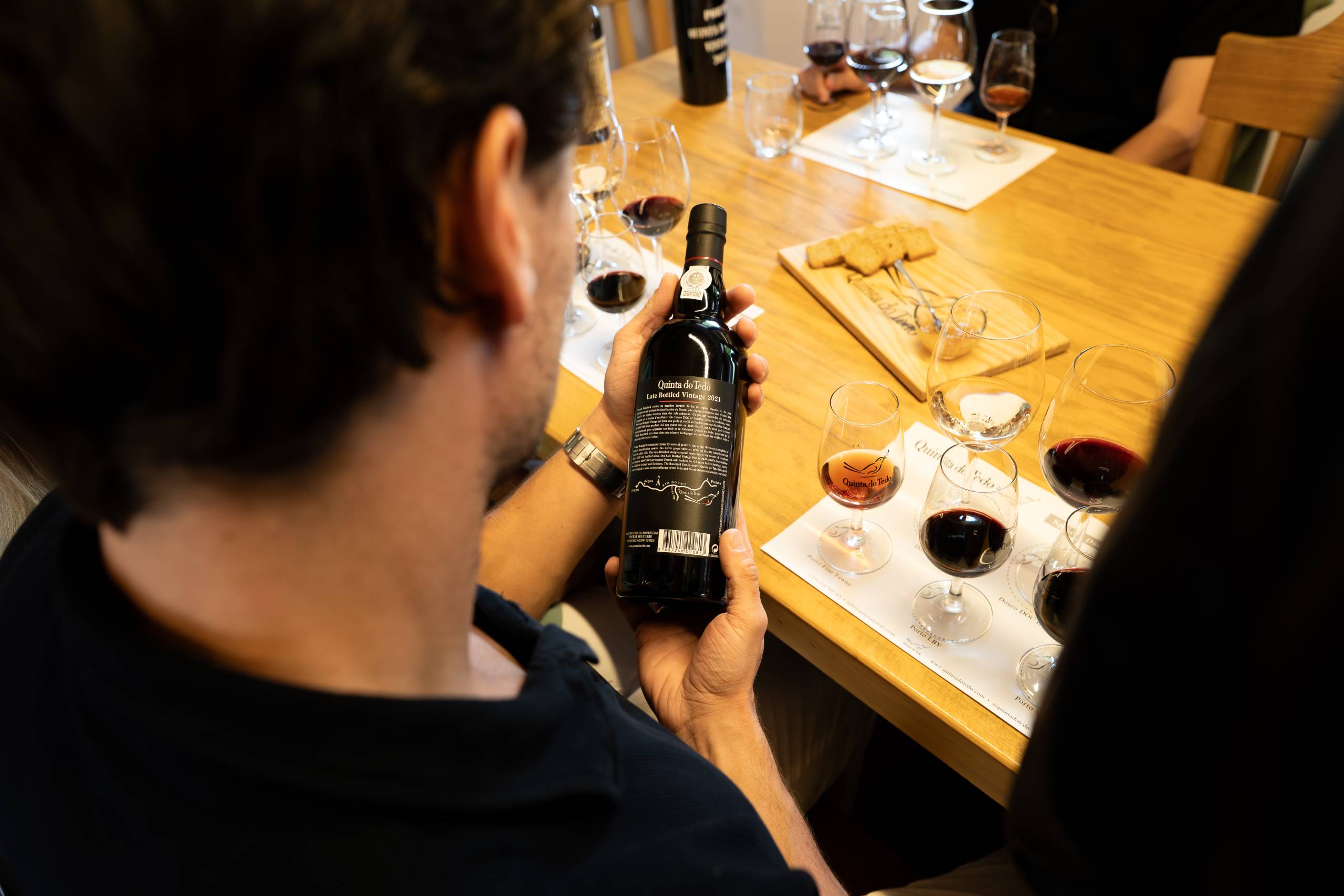
Late Bottled Vintage

Late Bottled Vintage

Single harvest

Late Bottled Vintage (LBV) comes from a single high-quality harvest, aged four to six years in large neutral French oak foudres. The Quinta refines its intensity on-site, releasing a Vintage-quality Porto that is ready to drink earlier — and, only lightly filtered (our Quinta do Tedo house style), it still gains from five to ten more years in bottle.

Discover →
Vintage

Vintage

Single harvest

Vintage Porto — the “King of Portos” — is our most prestigious Porto, from our most mature and treasured vineyards, made only in superb harvests and bottled unfiltered within two years to age 10 to 40+ years in bottle. Striking in youth, it deepens in flavour and complexity for decades — if you can resist.

Discover →
Colheita

Colheita

Single harvest

Colheita Porto ages a minimum of seven years in smaller 500–600-litre neutral French oak puncheons. It shares Tawny’s aromatic profile and palate — but where a Tawny is the masterful blend of several harvests, a Colheita is the unique expression of a single one.

Discover →
Rosé

Rosé

Single harvest

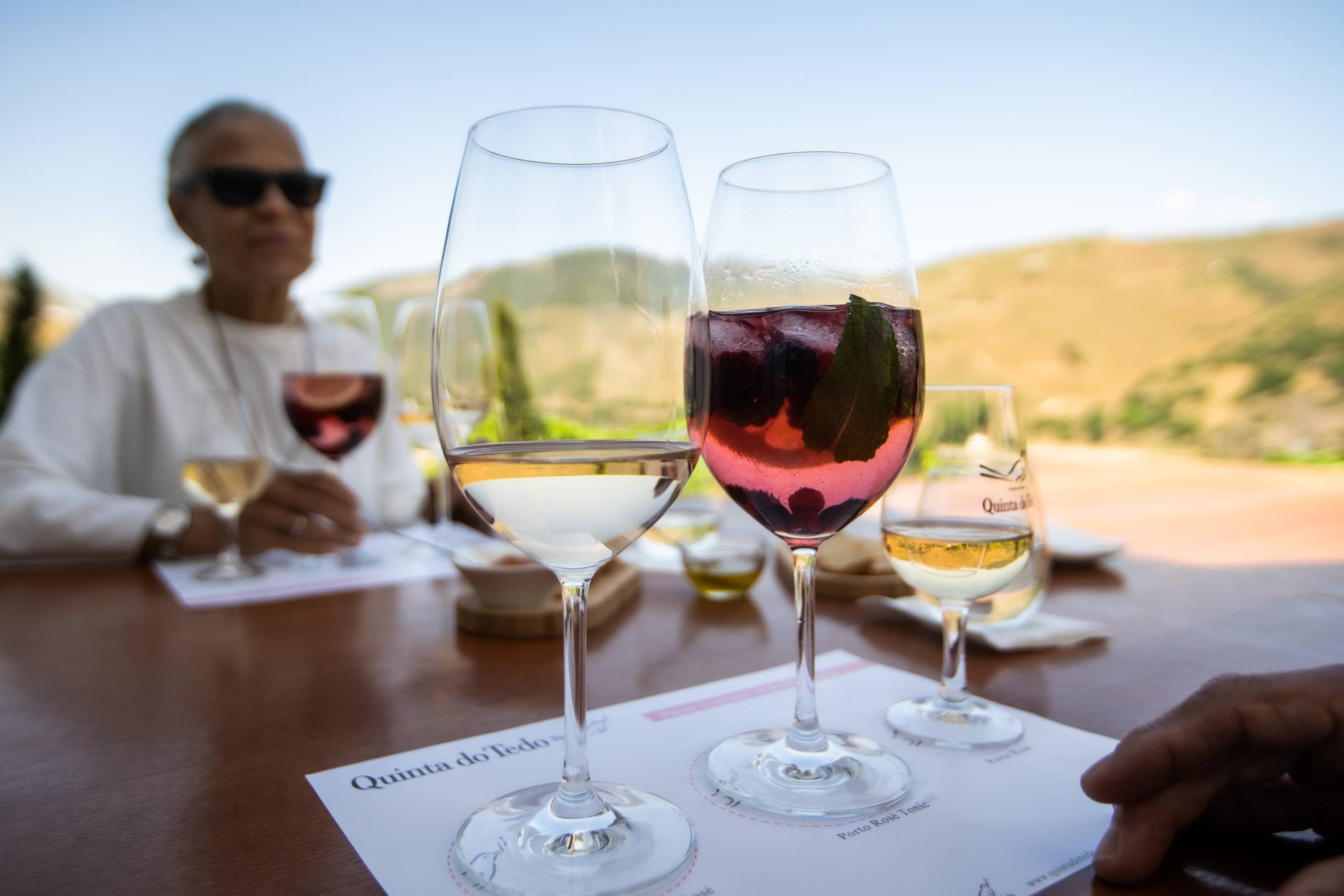
Rosé Porto is the young, bright new Porto on the block — made to break tradition, win new Porto lovers and pleasantly surprise the connoisseurs. Made every year since 2010, it bypasses foot treading and oak ageing entirely: stainless steel, four months, then bottled to enjoy immediately — on its own, or as a Porto Tonic.

Discover →
Cart0
Cart0
Cart0
Cart0