

Estate
A Single Quinta, in the purest sense
The Portuguese equivalent of a single estate, domaine or azienda.
Every bottle we make comes from our own 14 hectares (37 acres) of organically farmed, class “A” vineyards: the highest rating given by the Instituto dos Vinhos do Douro e Porto (IVDP), comparable to a French Grand Cru, and earned by fewer than 2.5% of the Douro appellation’s roughly 40,000 hectares of vineyards.
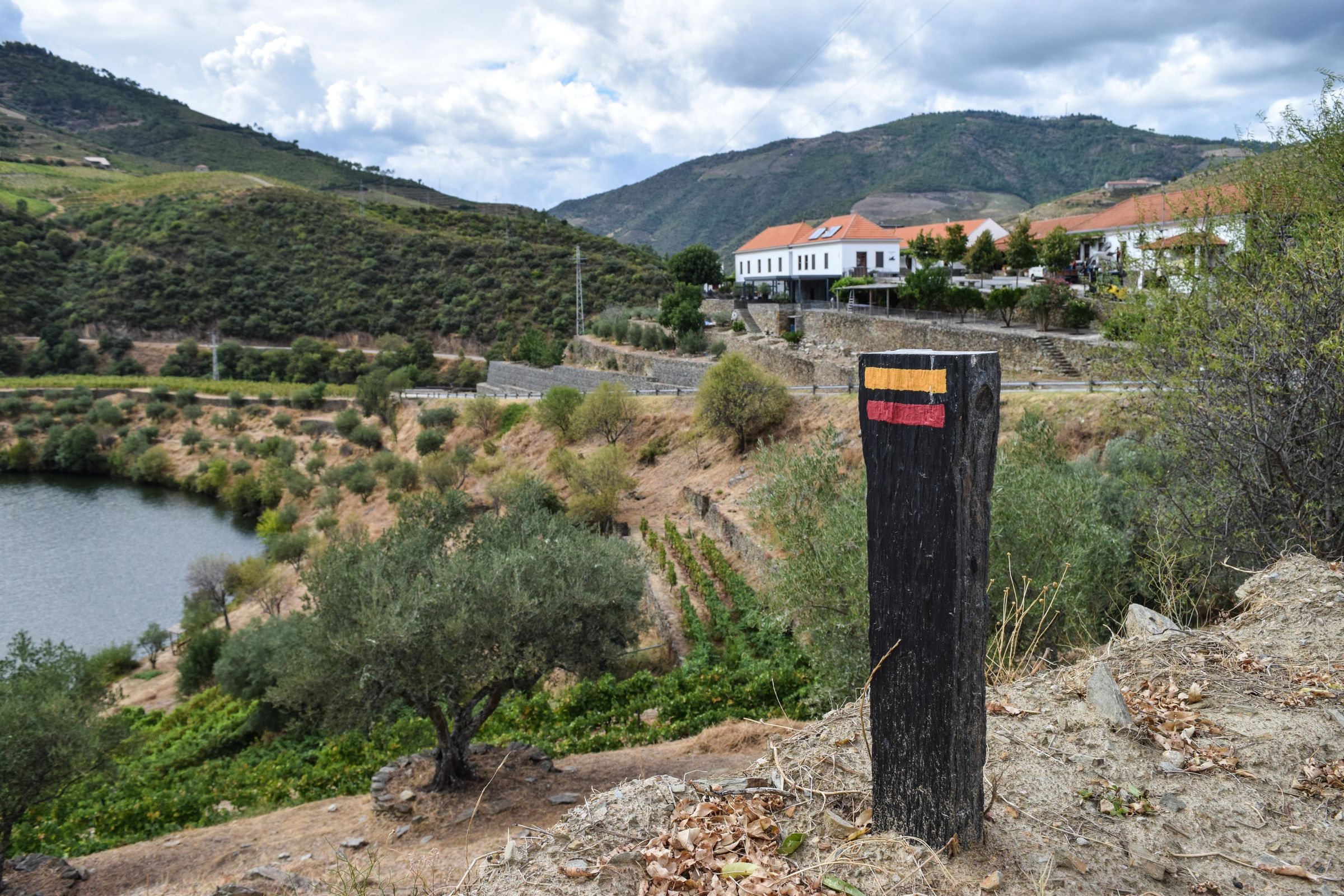
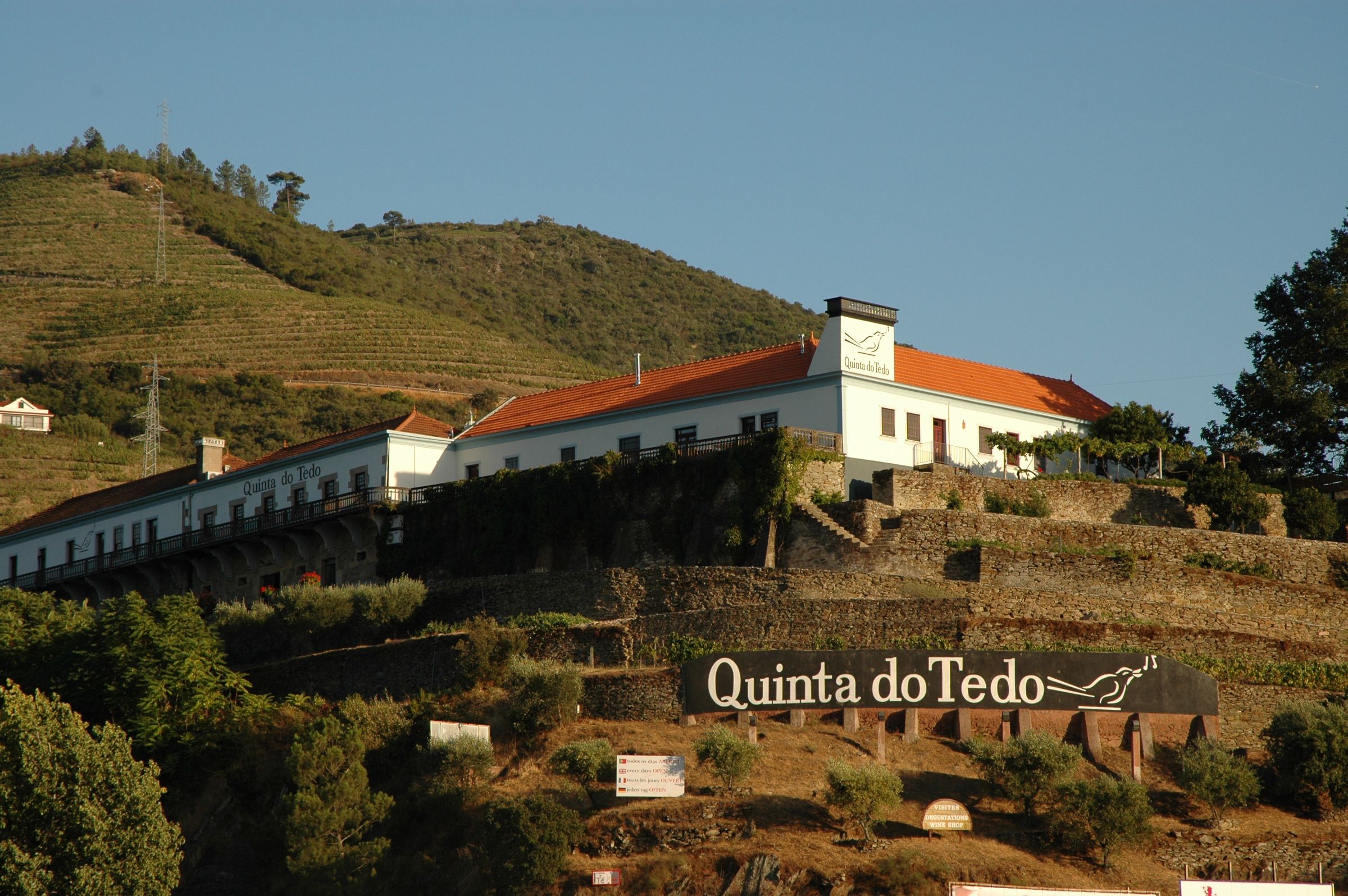
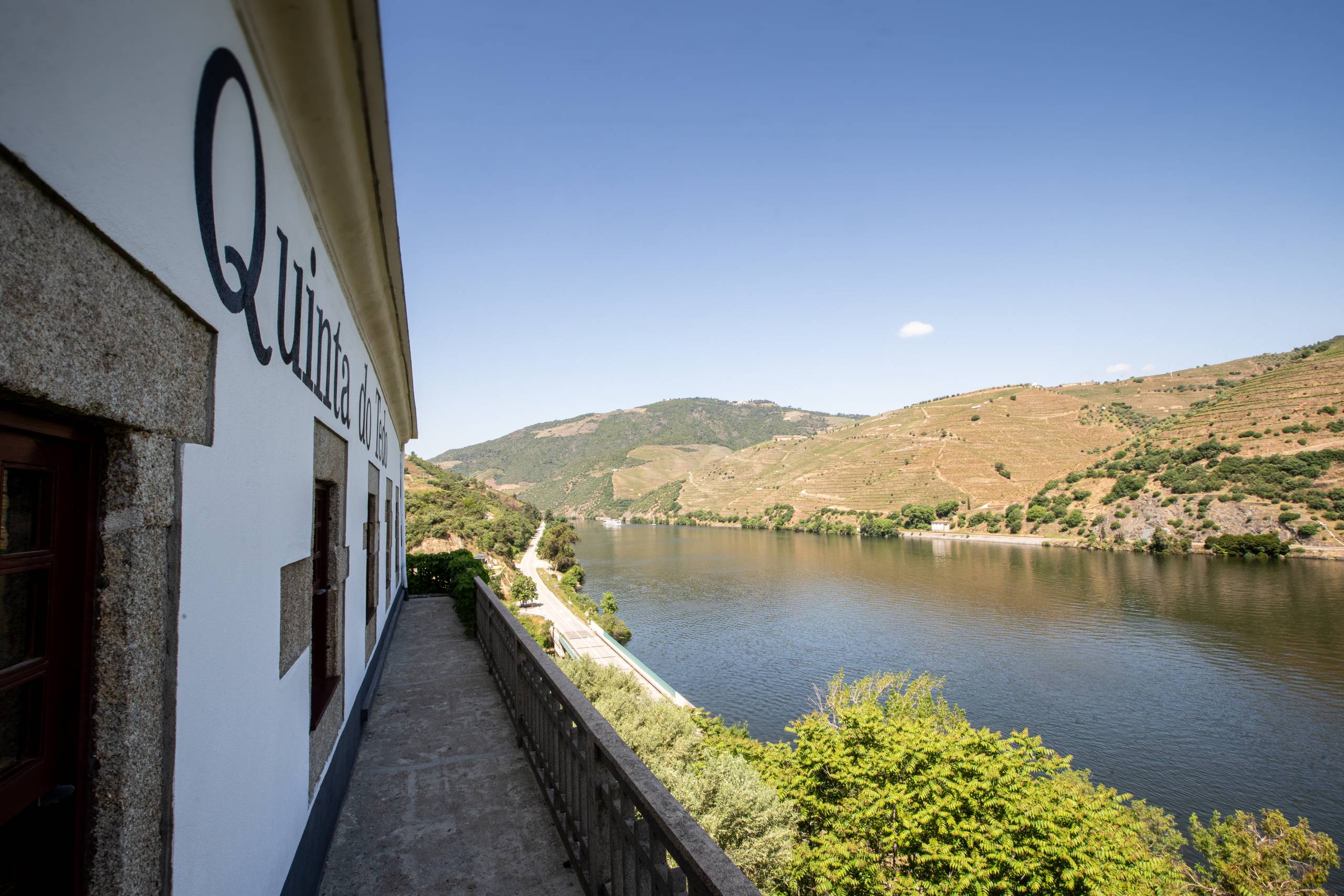
The estate sits at the confluence of the Tedo and Douro rivers in Cima Corgo, one of three subregions of the world’s oldest demarcated and regulated wine region. Carved granite feitoria stones, placed by the Marquis de Pombal between 1756 and 1761, still stand across our landscape like sentries — markers of the limits within which Porto was judged the finest in the valley, and alone authorised for export.
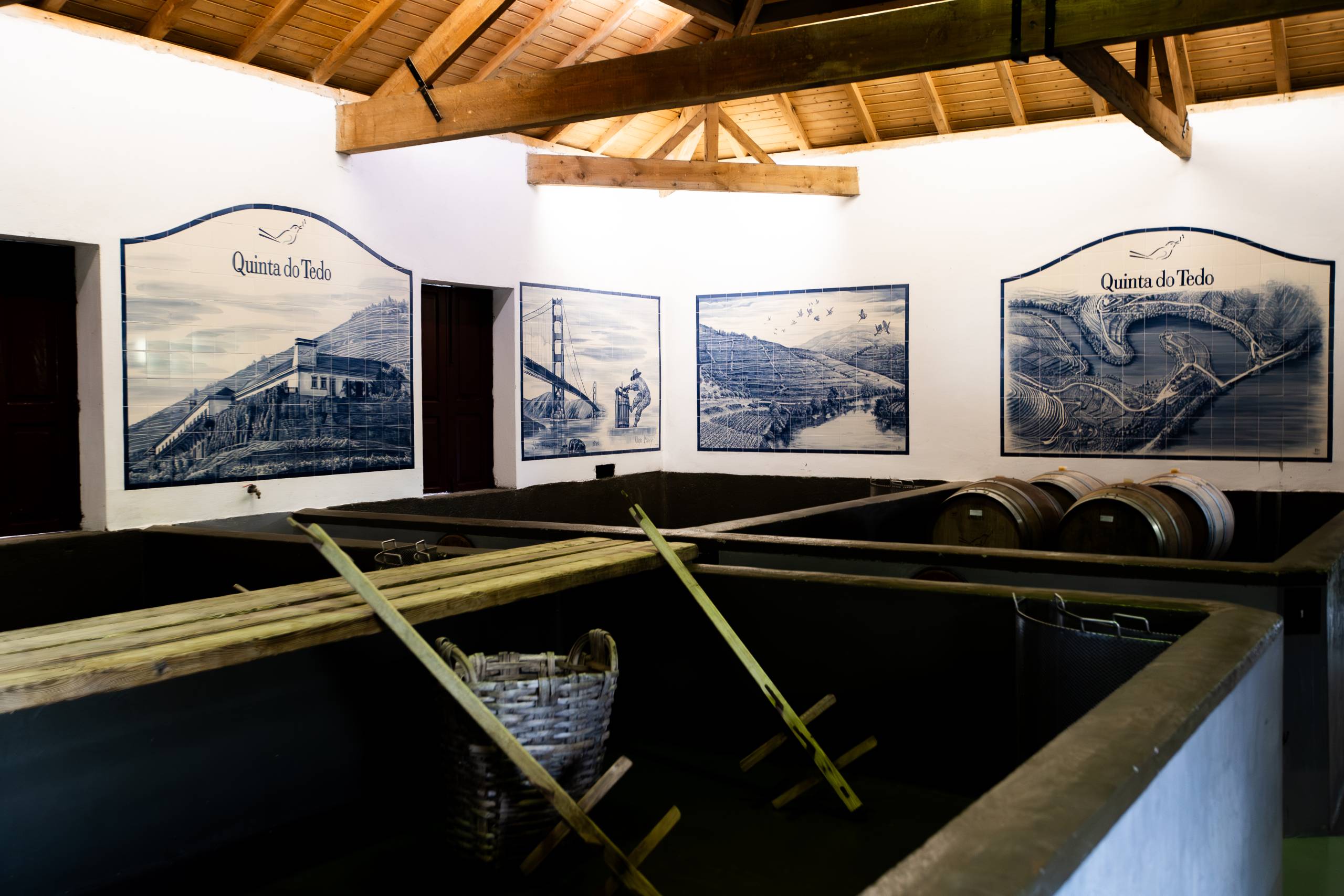
Owner Vincent Bouchard always said his goal was never to force this land into a Burgundian vision of what it could be, but to preserve the uniqueness of what was already here: the 18th-century estate’s foundations, the polyculture of native grape and olive varieties on dry-stone-walled terraces, the Mediterranean shrub forests, and the Tedo river and valley ecosystem.
Authentic Porto is like Champagne
It can only be produced in one demarcated region — the Douro Valley. Its production, styles and sales are controlled by the Instituto dos Vinhos do Douro e do Porto (IVDP), guaranteeing authenticity, protected geographical status and price stability.
Every vineyard is scored from A to F across 12 criteria — soil, climate and agricultural parameters essential to grape quality. Class “A” vineyards, like Quinta do Tedo’s, receive higher benefício coefficients: a quota the IVDP announces before each harvest, limiting how much Porto may be made.
Alto Douro Wine Region — UNESCO World Heritage
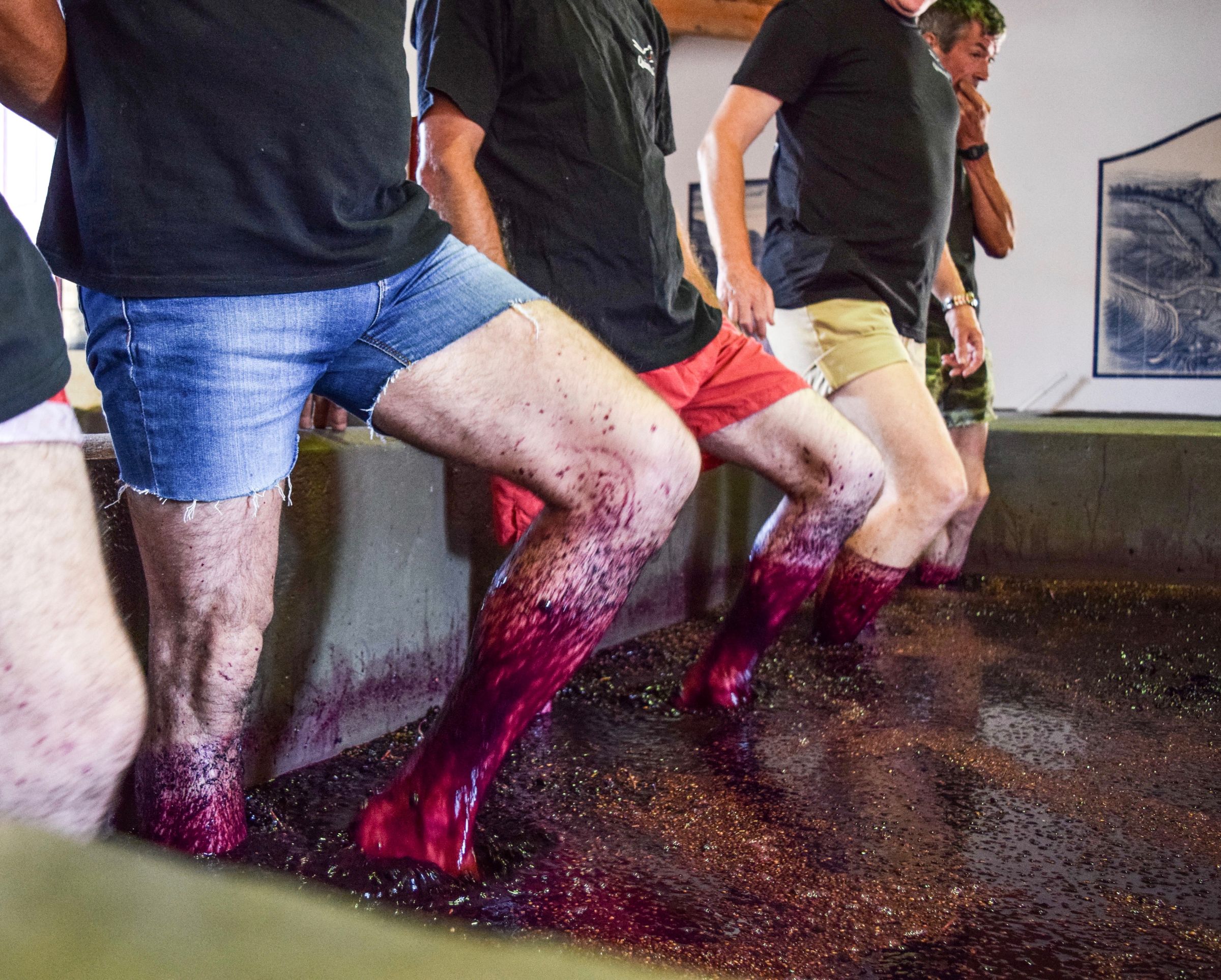
Recognised in the category of “living, evolving cultural landscape” — a distinction honouring over 2,000 years of winemaking and the remarkable human hand in the valley’s development, most visibly the terraces that shape the Douro and made its steep slopes possible to cultivate.
Tedo Valley Ecological Reserve
Since 2015 the estate has maintained a 4.5 km self-guided hiking trail, the first of its kind in the Armamar municipality. Along it: two birdwatching stations for visitors to tune in to the sound, colour and movement of 120 resident and migratory bird species — and a feitoria stone erected in 1761 by the Marquis de Pombal to demarcate where Porto could be made.